
Clapham Area Guide – South London’s social scene and housing
Clapham Common, Northern line speed, flatshares and brunch — social, green South London and where to rent.
Overview
Clapham is one of South London’s best-known residential and social neighbourhoods: lively, green, well-connected, popular with young professionals, and strongly associated with flatshares, brunch spots, pubs, gyms, dating, house parties, park life and fast Northern line access. It sits mostly within the London Borough of Lambeth, with parts of the wider Clapham identity blending into Wandsworth, Battersea, Stockwell, Balham and Brixton.
For many newcomers, Clapham represents a very specific version of London life. It is not as corporate as Canary Wharf, not as historic as Greenwich, not as alternative as Hackney, and not as culturally intense as Brixton. Instead, Clapham is social, convenient, residential and energetic. It is the kind of place where people move after university, during their first serious job, or when they want to live near friends in South London while still reaching central London quickly.
The area’s appeal is built around three things: Clapham Common, transport, and social life. The Common gives the neighbourhood a large open green centre. The Northern line provides quick links into central London. The pubs, bars, cafés, restaurants and gyms give the area its social identity. Housing is varied, from shared flats and converted Victorian houses to mansion blocks, modern apartments and family homes.
The honest picture is that Clapham is attractive but not cheap. It is popular, and popularity affects rent. People often choose Clapham because it offers a balance: more space and greenery than Zone 1, more nightlife and social energy than many suburbs, and better central London access than many outer boroughs. But if you want quiet, low rent or an undiscovered neighbourhood, Clapham may not be the right choice.
The character of Clapham
Clapham’s character changes depending on where you are. Around Clapham High Street and Clapham Common station, the area feels busy, young and social. Around Clapham Old Town, it becomes more polished, with restaurants, cafés, pubs, attractive streets and a slightly more established feel. Around Abbeville Village, the atmosphere is more residential, with independent shops, cafés and family homes. Toward Clapham South and the Common, the area feels greener and more relaxed. Toward Clapham North and Stockwell, it becomes more urban and better connected to Brixton and central routes.
This variety is one of Clapham’s strengths. It can suit flatsharers who want nightlife, couples who want cafés and parks, families who want residential streets, and professionals who want an easy commute. The area is not one single lifestyle, although its reputation is often dominated by young professionals and social renters.
The social reputation is real. Clapham has long been popular with graduates, people in finance, consulting, media, law, recruitment, healthcare, hospitality and tech, as well as Australians, New Zealanders and other international renters. It has a strong “friends nearby” appeal. Many people move to Clapham because their social circle is already there.
This can be a strength or a weakness. If you enjoy sociable London, Clapham makes life easy. If you want a quieter or more distinctive cultural identity, you may prefer Herne Hill, Dulwich, Brixton, Peckham, Wandsworth, Tooting or Balham.
Clapham Common
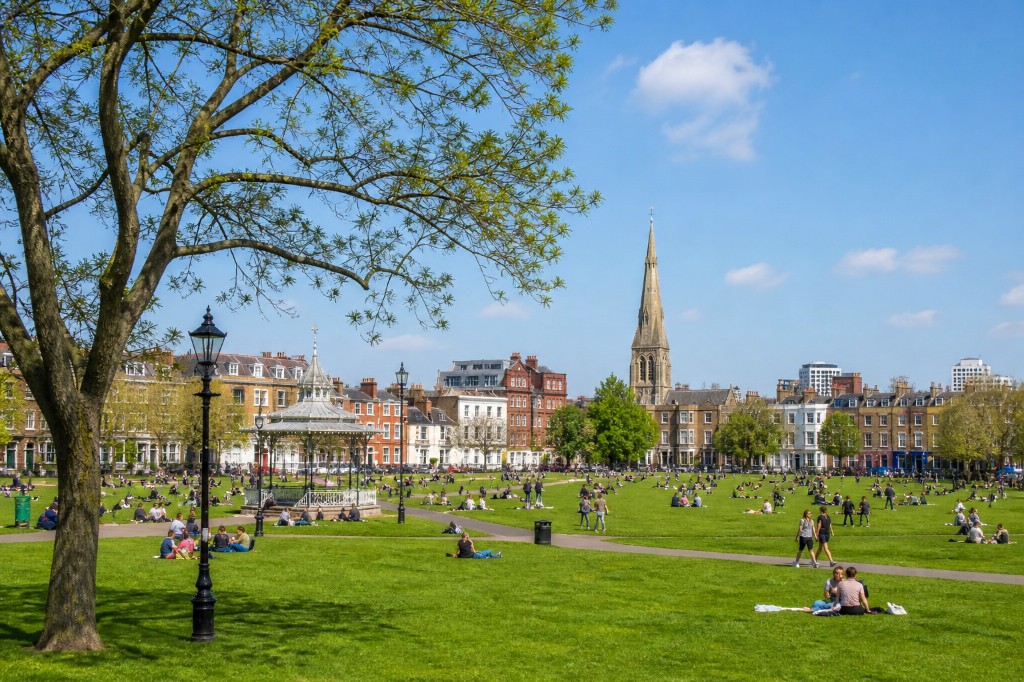
Clapham Common is the area’s greatest asset. It is large, central and deeply important to the local lifestyle. Lambeth Council describes Clapham Common as one of London’s largest and oldest public open spaces, covering over 85 hectares and sitting between Clapham, Battersea and Balham.
For residents, the Common changes daily life. It provides space for running, football, picnics, dog walking, sunbathing, fitness classes, informal sport, festivals, walking, cycling and meeting friends. On warm weekends, it becomes one of South London’s most active outdoor social spaces. Groups gather with blankets and drinks, runners circle the paths, children use play areas, and people move between the Common and nearby pubs or restaurants.
This is a major reason why Clapham works as a residential area. Many parts of London have good transport or nightlife, but fewer combine that with such a large green space in the middle of the neighbourhood. The Common gives Clapham breathing room.
The trade-off is that areas close to the Common can be more expensive. Homes overlooking or near the park often command a premium. The park can also be busy in summer, especially around events or weekends. But for most residents, the Common is one of the clearest reasons to choose Clapham over other South London areas.
Social life and nightlife
Clapham’s social life is one of its defining features. The area is known for pubs, bars, casual restaurants, brunch spots, gyms, cafés and late-night venues. Around Clapham High Street, the atmosphere can be lively, especially on Thursday, Friday and Saturday nights. Around Clapham Old Town and Abbeville Road, the social scene is slightly more mature and restaurant-focused.
The neighbourhood is particularly good for people who want an easy social routine. You can meet friends after work without going into central London. You can go for brunch, walk on the Common, watch sport in a pub, go out in the evening, or have dinner locally. The area supports both casual weekday life and weekend socialising.
This is why Clapham is so popular with renters in their twenties and thirties. It reduces the friction of London social life. Friends often live nearby. Transport is good. The area has plenty of places to meet. There is enough nightlife to avoid constant trips to Soho or Shoreditch, but not so much that the whole neighbourhood feels like a club district.
The downside is noise and crowding. If you live directly near the High Street, you may deal with late-night people, traffic, takeaway noise and weekend mess. If you want quieter living, look toward Abbeville Village, Clapham South, residential streets off the Common, or parts closer to Wandsworth Common and Balham.
Housing in Clapham
Clapham’s housing market is varied, but demand is high. You will find Victorian and Edwardian terraces, converted flats, mansion blocks, purpose-built apartments, ex-local authority homes, modern developments and shared houses. The area is particularly strong for flatshares and converted period properties.
For renters, shared houses and flats are common. Many people move to Clapham in groups or join existing flatshares because the area is social but expensive. A room in a shared house can make the area more affordable, especially compared with renting a one-bedroom flat alone. However, good rooms often move quickly because demand is strong.
One-bedroom flats can be expensive, especially near Clapham Common, Clapham Old Town, Abbeville Village or close to a Tube station. Couples often find Clapham more manageable because they can split rent and bills. Families may look for larger homes toward Abbeville Village, Clapham South, the Common, or neighbouring areas such as Balham, Wandsworth, Battersea and Dulwich.
The main housing decision is micro-location. Clapham High Street offers convenience and nightlife but can be noisy. Clapham Old Town is attractive and polished but can be more expensive. Abbeville Village is quieter and more family-friendly, with cafés and independent shops. Clapham South offers access to the Common and Northern line, with a slightly more residential feel. Clapham North offers strong transport and access toward Stockwell and Brixton, but the street feel varies.
When comparing homes, do not judge by postcode alone. Walk the route to the Tube. Visit at night. Check bus noise. Look at whether the property is above a commercial unit. Check insulation, heating and room sizes. In Clapham, two streets can feel very different.
Where to live in Clapham
Clapham Old Town
Clapham Old Town is one of the area’s most desirable pockets. It has attractive streets, restaurants, cafés, pubs and easy access to the Common. It feels more polished than the High Street and more established than some of the nightlife-heavy areas. It suits couples, professionals and families who want lifestyle and convenience without being in the middle of late-night activity.
Clapham High Street
Clapham High Street is best for people who want action. It has shops, bars, restaurants, gyms, takeaways, nightlife and quick access to Clapham Common and Clapham North stations. It is convenient and lively, but can be noisy. Renters should be careful with flats above or directly beside late-night venues.
Abbeville Village
Abbeville Village is quieter, more residential and more family-friendly. It has independent shops, cafés and restaurants, plus access to the Common. It feels slightly separate from the High Street and is popular with families and couples. It can be expensive because it offers a strong lifestyle balance.
Clapham South
Clapham South is practical and green, with Northern line access and a calmer residential feel. It borders Balham and benefits from the southern side of Clapham Common. It can be a good choice for people who want Clapham access but a slightly less intense environment. TfL lists Clapham South Underground Station as being in Zones 2 and 3 on the Northern line.
Clapham North
Clapham North is useful for transport and proximity to Stockwell and Brixton. It can offer relatively better value compared with the most polished parts of Clapham, though prices still reflect strong demand. It suits people who want good connections and a more urban feel.
Transport connections
Transport is one of Clapham’s biggest advantages. The area is served by several Northern line stations, including Clapham North, Clapham Common and Clapham South. TfL lists Clapham Common Underground Station as a Zone 2 Northern line station, with journey planning, timetables and service information available.
The Northern line gives direct access to key central London locations, including Stockwell, Kennington, London Bridge, Bank, Tottenham Court Road, Euston and Camden, depending on branch and route. TfL’s Northern line route information includes Clapham South, Clapham Common, Clapham North and Stockwell, with Stockwell connecting to the Victoria line.
Buses are also important. Clapham has strong bus links to Brixton, Battersea, Victoria, Vauxhall, Balham, Tooting, Wandsworth, Streatham and central routes. For many local journeys, buses are more convenient than the Tube.
Clapham Junction is often associated with Clapham, but geographically it is in Battersea. This matters for newcomers. Living near Clapham Common is not the same as living near Clapham Junction station. Clapham Junction is a major rail hub, but it is west of the main Clapham Common/High Street area. Some estate agents may use “Clapham” broadly, so always check the map.
Cycling is popular, especially for commuting to central London, Battersea, Vauxhall and the City. However, road safety and junction design can be concerns on some routes.
Food, cafés and daily life
Clapham is strong for everyday lifestyle. It has supermarkets, gyms, cafés, bakeries, restaurants, pubs, pharmacies, barbers, salons and fitness studios. You do not need to leave the area for daily needs. This is one of the reasons it works so well for busy professionals.
The food scene is broad rather than specialist. You can find brunch places, pizza, gastropubs, casual dining, coffee shops, healthy lunch spots, takeaway food, Sunday roasts and date-night restaurants. It is not as culturally distinctive as Brixton or as experimental as Hackney, but it is convenient and social.
Clapham also works well for fitness-focused residents. The Common supports running, bootcamps and outdoor training. Gyms and studios are common. The lifestyle is often active: morning runs, weekend sports, gym classes, dog walks and social exercise groups are all part of the local identity.
For people moving to London for the first time, Clapham can feel easy. It has enough shops and services to make settling in simple, plus enough social options to meet people.
Families and schools
Clapham is not only for young professionals. It is also popular with families, especially around Abbeville Village, Clapham Old Town, Clapham South and streets near the Common. The area offers green space, schools, family homes, cafés, children’s activities and good transport.
Families often like Clapham because it combines adult amenities with child-friendly infrastructure. Parents can access parks, nurseries, schools, shops and restaurants without feeling isolated from London life. The Common is a major advantage for children and weekend routines.
The challenge is housing cost. Family-sized homes near the Common or in attractive residential pockets can be expensive. Some families start in Clapham and later move to Balham, Wandsworth, Streatham, Herne Hill, Dulwich or further out for more space and better value.
As with any London area, school decisions require detailed local research. Catchments and admissions can vary, and the best place to live may depend on the specific school or childcare arrangement.
Cost of living
Clapham is not cheap. Rent is the biggest cost, followed by council tax, utilities, transport, groceries and social spending. The area’s popularity with professionals and sharers keeps rental demand high. Good properties close to Tube stations, the Common or desirable village-like streets can move quickly.
The social scene can also increase spending. Clapham makes it easy to go out frequently: brunch, coffee, drinks, dinners, gym classes and weekend plans. That is part of the lifestyle, but it can make monthly budgeting harder.
A realistic budget should include rent, bills, council tax, transport, groceries, fitness, subscriptions, social spending and savings. For sharers, Clapham can be manageable. For single renters seeking a one-bedroom flat, it can become expensive. For couples, the area may be more affordable because rent and bills are split.
If cost is a concern, compare Clapham with nearby areas. Balham can be similar or sometimes better value depending on the property. Streatham may offer more space for less money. Stockwell can be practical and well-connected. Brixton offers stronger culture and Victoria line access. Wandsworth may offer more residential space. Tooting can provide good transport and a strong food scene at different price points.
Safety and atmosphere
Clapham generally feels active and well-used, especially around the High Street, stations and Common. The area has plenty of foot traffic, which can make it feel safe in busy parts. Residential streets around the Common and Abbeville Village often feel calmer and more settled.
However, like any nightlife area, Clapham can feel different late at night. Around the High Street, pubs, bars, takeaways and transport routes can create noise and occasional antisocial behaviour. If this concerns you, avoid living directly on the busiest stretches.
The Common is a major asset, but large parks can feel different after dark. Most residents use normal city awareness and choose well-lit routes. The key is micro-location: Clapham’s atmosphere changes significantly between busy commercial strips and quiet residential streets.
Who Clapham suits
Clapham suits people who want a social, convenient, green and well-connected London lifestyle. It is especially good for young professionals, sharers, couples and people who enjoy pubs, brunch, fitness, parks and easy transport. It also suits families who can afford the right pocket.
It may not suit people seeking a low-cost area, a strongly alternative cultural scene, or complete quiet. It is social but not edgy in the Hackney sense, green but not suburban, expensive but not luxury-only, and lively but not as intense as central nightlife districts.
Clapham is often a “safe choice” for newcomers because it offers many of the things people expect from London: transport, friends, parks, pubs, cafés and shared housing. The risk is that it can feel generic if you want a more distinctive neighbourhood identity.
Pros of living in Clapham
- Balance: green space, transport, social life and varied housing in one area.
- Clapham Common: a major lifestyle asset; Northern line commuting is straightforward.
- Social routine: pubs, restaurants and gyms support an active weekly rhythm.
- Networks: many newcomers already know someone locally — settling in is easier.
- Flexibility: nightlife, park-side calm, village-style streets or fast transport depending on street choice.
Cons of living in Clapham
- Cost: popularity keeps rents high versus many South London alternatives.
- Noise: liveliest pockets can be loud late at night.
- Predictability: some find the scene dominated by young professionals.
- Competition: good rentals move quickly; be ready with documents and deposit.
- Crowding: the Northern line is busy at peak times despite strong frequency.
Nearby alternatives
If you like Clapham but want a different balance, several nearby areas are worth comparing.
Balham offers Northern line and rail links, strong cafés, a slightly more residential feel and access to both Clapham and Tooting. Brixton offers stronger culture, music, food and Victoria line speed, but with more urban intensity. Battersea offers riverside living, parks and access toward Clapham Junction and Nine Elms. Wandsworth can offer more family housing and river access. Tooting offers Northern line access, excellent food and often better value. Streatham offers more space and lower rents, though transport is more rail and bus-based.
Your best alternative depends on whether you want nightlife, price, green space, commute or family housing.
Final verdict
Clapham is one of South London’s most popular areas because it offers a practical and social version of London living. It has one of the city’s best commons, strong Northern line connections, a large rental market, plenty of pubs and restaurants, and a lifestyle that works especially well for sharers, professionals, couples and active residents.
It is not the cheapest or most unusual neighbourhood in London. It can be noisy, competitive and expensive. But it is popular for good reasons. Clapham makes daily life easy: you can commute, exercise, meet friends, shop, eat out and relax on the Common without leaving the area.
The honest summary is simple: Clapham is social South London with a green centre and strong transport. If you want convenience, friends nearby, park life and a lively but residential neighbourhood, it is one of the safest choices in London. If you want cheaper rent, stronger cultural edge or a quieter village feel, compare it carefully with Brixton, Balham, Tooting, Streatham, Herne Hill or Wandsworth.