
Greenwich Area Guide – History, parks, and family living
UNESCO Maritime Greenwich, Royal Park, Thames Path, DLR and Jubilee — village pace, museums and where to rent.
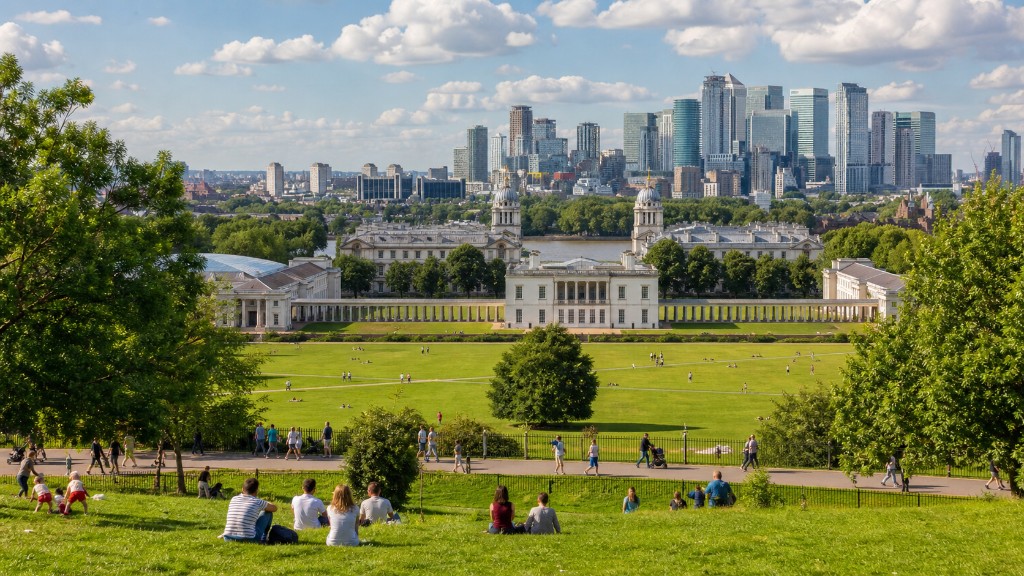
Overview
Greenwich is one of London’s most distinctive riverside areas: historic, green, scenic, family-friendly, and strongly connected to Britain’s maritime story. Located in South East London, it offers a rare combination of UNESCO-listed heritage, large parkland, riverside walks, independent shopping, good transport, schools, museums, markets, and residential streets with a calmer pace than many inner London neighbourhoods.
For many people, Greenwich feels like a complete London village rather than just another commuter district. It has a town centre, a famous market, historic buildings, riverside pubs, museums, green space, period homes, modern flats, and direct connections to Canary Wharf, the City, London Bridge, Bank and central London. It is popular with families, professionals, students, tourists, international residents and people who want London life without being surrounded by constant central-city intensity.
The area’s strongest identity comes from history. Maritime Greenwich is a UNESCO World Heritage Site, covering historic buildings, Greenwich Park, the Royal Observatory, the Queen’s House, the Old Royal Naval College, and the town centre buildings that form part of the historic ensemble. UNESCO describes the site as including the Old Royal Naval College, Queen’s House, Observatory, Royal Park and surrounding town centre buildings within the property boundary.
At the same time, Greenwich is not a museum piece. It is a living residential area. People commute from here, raise children here, shop here, meet friends here, run in the park, walk dogs by the river, and use the market at weekends. Its appeal is that history and daily life sit close together.
The character of Greenwich
Greenwich has a more relaxed atmosphere than many parts of inner London. It is busy, especially around the market, Cutty Sark, the riverfront and Greenwich Park, but it does not usually feel as hectic as Oxford Circus, Shoreditch or Brixton. The pace is more balanced. Tourists arrive for the museums and river views, but residential streets nearby can feel calm and established.
The centre of Greenwich is compact and walkable. Around Greenwich Church Street, Nelson Road, the market, Cutty Sark and the Old Royal Naval College, the area has a strong town-centre feel. Shops, cafés, pubs, restaurants and tourist attractions sit close together. The river is never far away, and the park rises behind the town centre, giving Greenwich one of the most dramatic landscapes in London.
The wider Greenwich area varies considerably. Central Greenwich feels historic and visitor-focused. West Greenwich has attractive period streets and access to the park. East Greenwich has a more residential, practical feel and can offer slightly better value. Maze Hill is leafy and close to the park. North Greenwich, around the O2 and Greenwich Peninsula, is more modern, with large apartment developments, riverside paths and Jubilee line access. Deptford, just to the west, has a different, more urban and creative identity.
This variety is important for renters and buyers. “Greenwich” can mean a historic townhouse near the park, a modern flat near the river, a family home in East Greenwich, a student-friendly rental near the university, or a high-rise apartment on the Peninsula. Each version of Greenwich has different costs, transport links and lifestyle benefits.
History and heritage
Greenwich’s history is one of its biggest selling points. The area is associated with the Royal Observatory, Greenwich Mean Time, the Prime Meridian, naval history, royal architecture and maritime power. Royal Museums Greenwich is home to the Royal Observatory Greenwich, Cutty Sark, the National Maritime Museum and the Queen’s House, all in the heart of the UNESCO World Heritage Site.
This makes Greenwich unusually rich in cultural institutions for a residential London neighbourhood. Residents do not simply live near cafés and shops; they live near some of the country’s most important historic and educational attractions. The National Maritime Museum, Queen’s House and Royal Observatory give the area depth, while Cutty Sark and the riverside connect Greenwich’s visitor economy to its maritime identity.
The Old Royal Naval College is another defining landmark. Its riverside setting and formal architecture create one of London’s most impressive public spaces. Walking through the grounds toward the river, with Canary Wharf visible across the water, captures Greenwich’s unique position: historic London looking toward modern London.
The area’s heritage is not only attractive for visitors. It affects daily life. It gives Greenwich a strong sense of place. Many London neighbourhoods are pleasant but interchangeable; Greenwich is instantly recognisable. That identity supports property demand and local pride.
Greenwich Park
Greenwich Park is one of the area’s greatest advantages. It is one of London’s eight Royal Parks and combines historic landscape, gardens, open lawns, viewpoints, playgrounds, sports areas and access to the Royal Observatory. The Royal Parks describes Greenwich Park as a landscape with hundreds of years of history, and notes that it is one of London’s eight Royal Parks.
For families, runners, dog walkers, students and anyone who values green space, the park is a major reason to live locally. It offers some of the best views in London, especially from the hill near the Royal Observatory, looking across the Queen’s House, Old Royal Naval College, the Thames and Canary Wharf. Few London parks combine history, views and centrality so effectively.
Royal Museums Greenwich describes Greenwich Park as spanning 183 acres and highlights its historic buildings, gardens, wildlife, lakes and panoramic London views. That scale matters. Greenwich is not just a neighbourhood with a small square; it has a major park at its centre.
The park also changes the feel of the area. Central Greenwich can be busy with tourists and market visitors, but a short walk uphill brings more space and calm. This is valuable for residents who want access to culture and transport without losing the ability to escape into green space.
Family living
Greenwich is one of the more family-friendly parts of inner South East London. It offers parks, museums, schools, riverside walks, activities, relatively calm residential streets and a strong sense of place. Compared with more nightlife-heavy neighbourhoods, Greenwich can feel more suitable for families who still want London convenience.
The area works especially well for families who value outdoor space and weekend activities. Greenwich Park, the river, the museums, the market, local cafés and nearby areas such as Blackheath and Deptford create a strong family lifestyle. Children can grow up with access to green space and major cultural institutions, which is unusual in a large city.
Housing for families is more mixed. Central Greenwich and West Greenwich can be expensive, especially for larger period homes. East Greenwich, Maze Hill, Charlton edges and parts toward Blackheath may offer more family housing options. The Greenwich Peninsula is more apartment-focused, which may suit some families but not those looking for gardens.
The key family question is budget. Greenwich is desirable, and homes close to the park, station or historic centre often command a premium. Families needing three or more bedrooms may need to compare Greenwich with Charlton, Blackheath, Lewisham, Eltham, Woolwich or further parts of South East London.
Housing and where to live
Greenwich has a broad housing mix. Around West Greenwich and the park, you will find attractive period homes, terraces, conversions and conservation-area streets. Around central Greenwich, there are flats above shops, converted buildings, period houses and smaller developments. East Greenwich offers a more residential feel with terraced houses, flats and local amenities. The Peninsula offers modern apartments, new-build towers and riverside developments.
For renters, Greenwich can be expensive but not uniform. The most desirable locations are usually close to Greenwich Park, the historic centre, Cutty Sark, river views or good transport. More affordable options may be found further east, toward Maze Hill, East Greenwich, Charlton borders or in parts of the wider borough.
The Greenwich Peninsula is a separate housing story. It offers modern flats, often with views, amenities and quick Jubilee line access from North Greenwich. This is useful for commuters to Canary Wharf, London Bridge, Westminster or the West End. However, the Peninsula can feel less historic and less village-like than central Greenwich. It suits people who want modern apartment living more than traditional neighbourhood atmosphere.
For newcomers, it is worth deciding which version of Greenwich they want:
- Central Greenwich: best for history, market, river, restaurants and walkability.
- West Greenwich: best for period streets, park access and character.
- East Greenwich: more residential, practical and potentially better value.
- Maze Hill: leafy, park-focused and quieter.
- Greenwich Peninsula: modern flats, Jubilee line and riverside development.
- Blackheath edge: more village-like, green and family-oriented, often expensive.
Transport connections
Greenwich is well connected, but transport depends on exactly where you live. The area benefits from DLR, National Rail, buses, river services, cycling routes and the Jubilee line at North Greenwich.
TfL lists Greenwich DLR station in Zones 2 and 3, serving the Docklands Light Railway network with onward bus connections. The DLR route includes Cutty Sark for Maritime Greenwich and Greenwich, with Greenwich connecting to National Rail.
National Rail from Greenwich station provides connections toward London Bridge and Cannon Street, as well as routes deeper into South East London and Kent depending on service patterns.
The transport picture changes if you live on the Peninsula. North Greenwich is on the Jubilee line, which is excellent for Canary Wharf, London Bridge, Waterloo, Westminster and Stratford. This makes North Greenwich very practical for some commuters, though it is less connected to the historic town centre than people may assume.
For central Greenwich residents, the DLR is especially useful for Canary Wharf and Bank. For people working in the City, Canary Wharf, London Bridge or Docklands, Greenwich can be very convenient. For people commuting to West London, travel may require more planning.
The river and walking routes
The Thames is a major part of Greenwich’s identity. The riverfront gives the area openness, views and leisure value. Walking along the Thames Path, looking across to Canary Wharf or toward central London, is one of the pleasures of living here.
Greenwich also benefits from river transport. While not usually the cheapest commute option, river services can be scenic and useful for certain journeys. For residents who value quality of life, the river adds more than transport; it gives the area a sense of space.
The Greenwich Foot Tunnel is another local feature, connecting Greenwich to Island Gardens on the north side of the river. It gives pedestrians access to the Isle of Dogs and views back toward the Old Royal Naval College. For walkers and cyclists, this can be a useful and memorable connection.
Greenwich Market
Greenwich Market is one of the area’s central attractions. It brings together food, crafts, antiques, design, independent traders and visitors. The market’s official history states that market trading in Greenwich dates back as far as the 14th century, with a Royal Charter granted in 1700 and the market officially opening its doors in 1737.
For residents, the market is both a convenience and a lifestyle feature. It is a place to eat, browse, meet friends, buy gifts or simply enjoy the atmosphere. It helps keep central Greenwich lively throughout the week and especially at weekends.
The market does mean that central Greenwich can become busy. Tourists and day visitors are part of the area’s economy and character. Some residents enjoy this energy; others may prefer quieter streets slightly away from the centre.
Food, pubs and daily life
Greenwich has a strong food and pub scene, though it is more relaxed than nightlife-heavy areas such as Shoreditch, Brixton or Dalston. The town centre has restaurants, cafés, pubs, bakeries, market food, riverside dining and traditional drinking spots. The mix is broad enough for daily life without feeling overwhelming.
Riverside pubs are a major part of the Greenwich experience. Historic interiors, river views and weekend crowds give the area a classic London feel. Around the market and town centre, there are plenty of casual food options, though prices can be tourist-influenced in the busiest spots.
For everyday shopping, central Greenwich has supermarkets, local shops and services, while nearby areas such as Deptford, Lewisham, Blackheath and Charlton expand the options. Greenwich is convenient, but some residents may still travel to larger shopping centres for certain needs.
Schools, students and education
Greenwich has a strong education presence, partly because of the University of Greenwich, whose buildings occupy parts of the historic riverside estate. This brings students, staff and international visitors into the area. The presence of a university adds life and supports cafés, rentals and local services.
For families, school choice depends on exact location and catchment. As in most of London, parents should research individual schools, admissions criteria and travel routes carefully. Greenwich can be family-friendly as a lifestyle area, but housing and school planning still require detailed local research.
The area’s museums also make it educational in a broader sense. Living near the National Maritime Museum, Royal Observatory, Cutty Sark and Queen’s House gives families access to learning opportunities that many neighbourhoods cannot match.
Cost of living
Greenwich is not cheap, especially in its most attractive pockets. The combination of history, park access, river views, transport and family appeal supports strong housing demand. Rent and property prices can be high near the park, historic centre and river.
That said, Greenwich offers more variety than some premium London areas. East Greenwich, Maze Hill, parts toward Charlton and areas further from the tourist core may be more accessible than the most picturesque streets. The Peninsula has a different price structure, often tied to new-build apartment amenities and Jubilee line access from North Greenwich.
Daily spending depends on habits. The market, cafés, restaurants and riverside pubs can make it easy to spend money, but Greenwich also supports lower-cost living through parks, walks, museums and public spaces. Many of the area’s best pleasures are free or low-cost: walking in the park, visiting the riverside, exploring historic grounds, enjoying views, or browsing the market.
For newcomers, a realistic budget should include rent, council tax, utilities, broadband, transport, groceries, social spending and savings. Greenwich may feel calmer than central London, but it is still a desirable London neighbourhood with London prices.
Safety and atmosphere
Greenwich generally has a calm and family-friendly reputation, particularly around the park, West Greenwich and residential streets. The town centre can be busy with tourists and evening visitors, but it usually feels less intense than areas known primarily for nightlife.
As with any London area, experiences vary by street and time of day. The town centre, station areas and riverfront can feel different late at night compared with daytime. Residents should still use normal city awareness, especially around transport hubs and quieter routes.
Overall, Greenwich’s atmosphere is one of its strengths. It feels established, scenic and lived-in, with enough activity to be interesting but enough space to feel liveable.
Who Greenwich suits
Greenwich suits people who want history, green space, river access and a balanced lifestyle. It is especially attractive for families, couples, professionals, students, museum lovers, walkers, runners and people who want London character without constant nightlife.
It works well for commuters to Canary Wharf, the City, London Bridge, Bank and parts of central London. It also suits people who like weekend life close to home: market browsing, park walks, museums, riverside pubs and cafés.
Greenwich may not suit people who want the fastest Tube-only commute from the town centre, late-night club culture, or the lowest rents. It also may not suit those who dislike tourist traffic, especially around Cutty Sark and the market.
Pros of living in Greenwich
- Heritage, park and river: a rare combination — UNESCO setting, Royal Park scale and Thames-side life.
- Sense of place: strong transport (Greenwich / Cutty Sark DLR, North Greenwich Jubilee), family appeal and cultural depth.
- Versatility: families, students, professionals, couples and retirees can all find a workable version of Greenwich.
Cons of living in Greenwich
- Cost: premium pockets near park, centre and river.
- Tourist pressure: especially weekends and holidays.
- Transport variation: some streets are very well connected; others mean a longer walk to DLR, rail or Jubilee.
- Nightlife: central Greenwich can be busy without the same late-night club culture as Dalston or Shoreditch.
Nearby alternatives
If you like Greenwich but want different trade-offs, consider nearby areas.
Blackheath offers a village feel, open heath and family appeal, often at a premium. Deptford is more urban, creative and sometimes better value, with strong food and arts energy. Lewisham offers transport and shopping, often with more affordability. Charlton can provide more space and family housing. Woolwich has Elizabeth line access and major regeneration. Canada Water offers Jubilee line convenience and new development.
Each alternative changes the balance between price, transport, history, parks and lifestyle.
Final verdict
Greenwich is one of London’s best all-round neighbourhoods for people who value history, green space and family-friendly living. It is beautiful without being only decorative, historic without being frozen, and lively without being overwhelmingly noisy. The combination of Greenwich Park, the Thames, the market, museums, DLR, rail and strong local identity makes it one of South East London’s most desirable places to live.
For renters and newcomers, Greenwich is a strong choice if the budget works and the commute fits. It offers a more balanced lifestyle than many inner London areas: enough culture, enough transport, enough green space and enough daily convenience. It is not the cheapest option, and the most attractive streets are competitive, but the quality of life can be excellent.
The honest summary is simple: Greenwich is history, parks and family living in one of London’s most scenic settings. For the right resident, it offers a rare version of London life — connected to the city, but softened by river views, open space and centuries of character.