
Shepherd’s Bush Area Guide – West London living on a budget
Hammersmith & Fulham W12: Central line, Westfield, Overground and Shepherd’s Bush Market — practical West London next to Notting Hill.
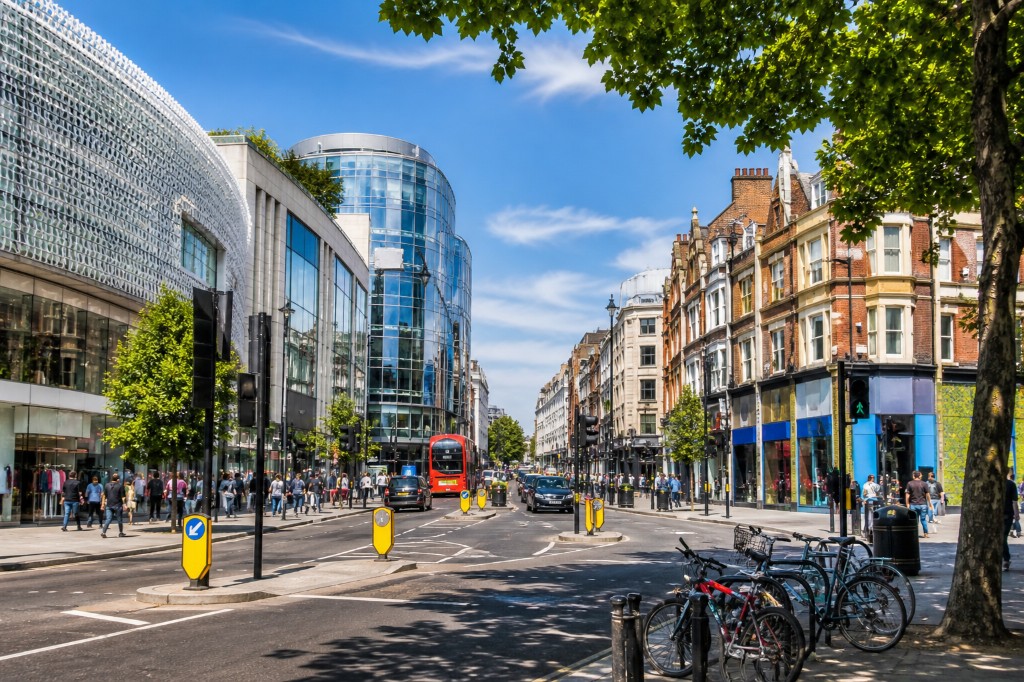
Overview
Shepherd’s Bush is one of West London’s most practical neighbourhoods for renters who want strong transport, shopping, nightlife, multicultural food, and access to more expensive nearby areas without necessarily paying Notting Hill, Holland Park or Hammersmith prices. It is busy, mixed, convenient, slightly chaotic in places, and much more useful than glamorous. That is exactly why many people choose it.
Located in the London Borough of Hammersmith & Fulham, Shepherd’s Bush sits between White City, Hammersmith, Holland Park, Notting Hill, Acton, Kensington Olympia and Brook Green. It is a classic West London in-between area: close to wealthier neighbourhoods, connected to major transport routes, but still retaining a more everyday, urban feel. The area has large shopping centres, street markets, music venues, pubs, flats above shops, Victorian terraces, estates, modern developments, hotels, student housing and a constant flow of buses, shoppers, commuters and residents.
For newcomers, the biggest appeal is value for location. Shepherd’s Bush is not “cheap” in an absolute sense, because London is expensive and West London especially so. But compared with neighbouring areas like Notting Hill, Holland Park, Kensington, Brook Green and parts of Hammersmith, it can feel more accessible. You may find smaller flats, shared housing or older rental stock at more realistic prices while still being close to the Central line, Westfield London, Hammersmith & City line services, Overground links and major bus routes.
The honest picture is that Shepherd’s Bush is not polished everywhere. Some streets are noisy. The roundabout, Uxbridge Road and shopping centre areas can feel hectic. The area has traffic, crowds, nightlife, older buildings and an uneven street feel. But it also has excellent convenience. If you want West London access on a tighter budget, Shepherd’s Bush is one of the most logical places to consider.
The character of Shepherd’s Bush
Shepherd’s Bush is practical, diverse and urban. It does not have the village prettiness of Wimbledon, the pastel charm of Notting Hill or the riverside calm of Chiswick. Its character is more functional: transport, shopping, music, markets, food, flats, buses, commuters and everyday West London life.
The London Borough of Hammersmith & Fulham describes Shepherd’s Bush town centre as unique, combining one of London’s vibrant and diverse community shopping and entertainment hubs with expanding wider development around White City. That is a good summary of the area’s identity: local high street energy on one side, large-scale retail and regeneration on the other.
This contrast is what makes Shepherd’s Bush interesting. Around Shepherd’s Bush Green, the area feels like a busy transport and shopping hub. Around Westfield and White City, it becomes more modern and commercial. Around Uxbridge Road and Shepherd’s Bush Market, it feels more local, multicultural and street-level. Around Askew Road and Brackenbury edges, it becomes more residential and quieter. Toward Brook Green and Holland Park, prices rise and the streets become more polished.
For renters, this means the exact location matters. A flat advertised as “Shepherd’s Bush” might be beside a noisy road, near Westfield, close to a quiet residential street, or on the edge of a much more expensive area. You should always check the map, the station distance, the road noise and the feel of the street after dark.
West London living on a budget
The phrase “on a budget” needs honesty. Shepherd’s Bush is not a low-cost area like parts of outer London. It is still West London, and it is close to some of the most expensive residential districts in the city. But within the West London context, it can offer better value.
The main reason is that Shepherd’s Bush is less polished than its neighbours. Notting Hill has global prestige. Holland Park has elegance and high-end property. Brook Green is leafy and desirable. Hammersmith has strong riverside and transport appeal. Chiswick has village-style family living. Shepherd’s Bush sits between these markets and often offers more realistic options for renters who still want the west-side location.
Value can come in several forms. You may get a room in a shared flat at a lower price than nearby Notting Hill. You may find an older one-bedroom flat that is less expensive than a similar property in Holland Park. You may choose South Shepherd’s Bush or the Askew Road side for a more residential feel. You may accept a busier street in return for excellent transport and shopping.
But value does not mean every property is good value. Some flats are small, noisy or poorly maintained. Some are priced high simply because Westfield and the Central line are nearby. The best approach is to compare total monthly cost against lifestyle benefits: rent, council tax, bills, transport, shopping access, commute time, room size and building quality.
Shepherd’s Bush is best for people who want a West London base and are willing to compromise on polish for practicality.
Transport connections
Transport is one of Shepherd’s Bush’s strongest advantages. The area has several useful stations and many bus routes, making it flexible for commuters.
Shepherd’s Bush Central line station is in Zone 2 and gives direct access across London, including White City, Notting Hill Gate, Oxford Circus, Tottenham Court Road, Holborn, Bank, Liverpool Street and Stratford. TfL lists Shepherd’s Bush Central Underground Station as a Zone 2 Central line station with station facilities including WiFi, gates, escalators and ticket halls.
Shepherd’s Bush railway station is also in Zone 2 and connects with the London Overground network, with TfL listing it as serving the Mildmay line and connecting with Central line options nearby. This is useful for journeys toward Willesden Junction, Kensington Olympia, West Brompton, Clapham Junction and other west/south-west connections depending on route.
Shepherd’s Bush Market station adds Hammersmith & City line and Circle line access from the Uxbridge Road side. TfL lists Shepherd’s Bush Market Underground Station in Zone 2, and the Hammersmith & City route includes Shepherd’s Bush Market with Circle line connections.
This gives residents a rare advantage: multiple rail and Tube options within a relatively compact area. Depending on where you live, you may be closer to the Central line, Overground, Hammersmith & City line, Circle line, or buses. That flexibility helps if one line is disrupted.
Buses are also important. Shepherd’s Bush is a major bus interchange, with routes toward Hammersmith, Acton, Chiswick, Notting Hill, Kensington, Ladbroke Grove, White City, Fulham, Putney and central London. For local West London journeys, buses can be more useful than the Tube.
The main downside is congestion. Shepherd’s Bush Green, the roundabout and Uxbridge Road can be busy. Transport access is excellent, but the street environment can be noisy and traffic-heavy.
Westfield London and shopping
Westfield London is one of Shepherd’s Bush’s defining features. It gives the area a scale of shopping, dining and entertainment that few London neighbourhoods can match. Westfield describes its London W12 centre as a major shopping destination with hundreds of brands, dining and entertainment under one roof. Its restaurant directory lists dozens of food and drink options, from quick meals to sit-down restaurants.
For residents, this is extremely convenient. You can shop for clothes, electronics, groceries, household items, gifts, cosmetics, fitness gear, food and entertainment without travelling into central London. In bad weather, Westfield is practical. If you work nearby or commute via Shepherd’s Bush, it can become part of daily life.
But Westfield also changes the feel of the area. It draws large numbers of visitors, especially at weekends and before Christmas. Around the shopping centre and station, crowds can be heavy. Some people love the convenience. Others feel the area is too retail-dominated.
The best thing about Shepherd’s Bush is that it offers both Westfield and more local shopping. You can use the major brands when needed, but still access Uxbridge Road, Shepherd’s Bush Market, independent shops, takeaways, cafés and local services. This mix is more useful than a purely luxury retail district.
Shepherd’s Bush Market and local shopping
Shepherd’s Bush Market gives the area a more local and multicultural identity. It sits along the railway viaduct near Uxbridge Road and offers food, fabrics, household items, clothes and everyday shopping. The market has historically been an important local asset, especially for communities who rely on affordable goods and specialist products.
The market area is less polished than Westfield, but that is part of its value. It gives Shepherd’s Bush street-level character and prevents the neighbourhood from becoming only a shopping-centre district. It also reflects the area’s diversity.
There has been ongoing debate and concern about redevelopment, market trading and the future of local character. For residents and newcomers, this matters because Shepherd’s Bush’s appeal depends partly on having both sides: large modern retail and older local commerce. If the area becomes only expensive flats and corporate shopping, it loses some of what makes it useful and distinctive.
For everyday life, the market and Uxbridge Road are important. They offer cheaper food options, specialist shops and a more local feel than Westfield. This is one reason Shepherd’s Bush can work better for budget-conscious residents than more polished nearby areas.
Housing and where to live
Shepherd’s Bush has a wide mix of housing. You can find Victorian terraces, converted flats, maisonettes, mansion blocks, flats above shops, ex-local authority homes, modern apartments, student accommodation and shared houses. Housing quality varies significantly, so renters need to inspect carefully.
The most convenient areas are near Shepherd’s Bush station and Westfield, but these can be busy and expensive. Flats around the Green and main roads may be practical but noisy. Uxbridge Road and Shepherd’s Bush Market areas can offer better value, though street feel varies. Askew Road and the edges toward Ravenscourt Park can feel more residential and village-like. Brook Green and Holland Park edges are more expensive. White City and Wood Lane areas offer newer developments and proximity to Westfield, Imperial College’s White City campus and BBC/creative-industry buildings.
For renters on a budget, shared housing is often the most realistic route. Shepherd’s Bush works well for flatsharers because transport and amenities are strong. A room in a shared flat can provide access to West London without paying Notting Hill prices.
One-bedroom flats can be more challenging. Prices may still be high because of transport and location. Older flats may offer better value, but check insulation, damp, heating, noise and window quality. A flat on a main road may be cheaper but harder to live in if traffic noise is constant.
Families may prefer quieter streets toward Askew Road, Brackenbury Village, Ravenscourt Park, Brook Green edges or further west. These areas can be more expensive but offer a calmer residential environment.
White City and regeneration
White City is closely tied to Shepherd’s Bush. The area north of Westfield has changed significantly, with new offices, university buildings, residential developments, hotels and creative-industry spaces. This has expanded the area’s appeal beyond retail and transport.
White City has become more attractive for people working in media, technology, education and life sciences. Imperial College London’s White City campus and the broader regeneration around Wood Lane have added a more modern, institutional and innovation-focused layer to the area.
For residents, this has pros and cons. New developments can provide modern flats, better public realm and more amenities. They can also push prices up and make the area feel less affordable. Shepherd’s Bush’s “budget West London” identity is partly under pressure because White City regeneration brings higher-value development.
Still, for renters who want modern apartment living and West London transport, White City can be a strong option. It is less charming than older residential streets, but very practical.
Food, pubs and nightlife
Shepherd’s Bush has a useful and varied food scene. It is not as refined as Notting Hill or as destination-led as Soho, but it offers a wide mix of restaurants, takeaways, pubs, music venues, cafés and shopping-centre dining.
Uxbridge Road is good for affordable and multicultural food. You can find Middle Eastern, Caribbean, African, South Asian, fast food, bakeries, cafés and casual restaurants. Westfield adds chains, casual dining and higher-volume restaurant options. Nearby areas such as Hammersmith, Notting Hill, Acton and Chiswick expand the range further.
The area is also known for live entertainment. Shepherd’s Bush Empire is one of London’s best-known music venues, and the area has a long-standing connection with gigs and nightlife. Local pubs and bars support a social scene that is more relaxed and practical than glamorous.
For residents, the food and nightlife offer is strong enough that you do not need to leave the area constantly. But Shepherd’s Bush is not a polished dining destination. It is better for convenience, variety and music than for luxury.
Parks and green space
Shepherd’s Bush is not one of London’s greenest neighbourhoods, but it has useful access to open spaces. Shepherd’s Bush Green sits at the centre of the area and provides a local public space, although it is surrounded by busy roads. Holland Park is nearby to the south-east, and Wormholt Park, Ravenscourt Park and Hammersmith Park are reachable depending on where you live.
If green space matters, micro-location is important. Living toward Askew Road, Ravenscourt Park or Holland Park edges can feel much calmer than living directly by the Green or Uxbridge Road. Families and dog owners may prefer these quieter residential pockets.
Shepherd’s Bush is more urban than Wimbledon, Greenwich or Clapham. Its lifestyle is built around transport, shopping and access to nearby areas rather than large green space at the centre. That said, the proximity to Holland Park, Ravenscourt Park and residential West London streets helps balance the busier parts.
Cost of living
Shepherd’s Bush can be good value for West London, but it is not low-cost in a wider London sense. Rent is still the largest expense. The value comes from what you get for the location: Zone 2 transport, Central line access, shopping, buses, Overground and proximity to expensive neighbouring areas.
A budget-conscious renter may choose Shepherd’s Bush because they can live near Notting Hill and Hammersmith without paying the same premium. A professional may choose it because the Central line commute is fast. A student or young worker may choose it because shared housing and local food options are more realistic than in Kensington or Holland Park.
Daily spending can be controlled. Uxbridge Road and local shops offer cheaper food options than many parts of West London. Westfield can be expensive if you shop or eat there often, but it also provides practical convenience. The biggest risk is impulse spending: shopping, restaurants, cinema, coffee and delivery apps can add up quickly when everything is nearby.
Transport costs depend on commute pattern. Because the area is Zone 2 and well connected, many journeys are efficient. Hybrid workers may do well with contactless pay-as-you-go rather than fixed travelcards.
A realistic monthly budget should include rent, council tax, utilities, broadband, mobile phone, transport, groceries, social spending, subscriptions and savings. Shepherd’s Bush helps with value, but only if the rent is sensible and the property quality is acceptable.
Safety and street feel
Shepherd’s Bush is a busy urban area, and street feel varies. Around Westfield and the stations, there are crowds and strong footfall. Around Uxbridge Road and the Green, the atmosphere can be noisy and mixed. Some side streets feel calm and residential. Others feel more traffic-heavy or worn.
This unevenness is important. Shepherd’s Bush is not dangerous by definition, but it is not uniformly polished. Newcomers should visit at different times of day, especially after dark. Walk the route from station to home. Check lighting, noise, traffic, nearby pubs, takeaways and bus stops. If you are sensitive to noise, avoid main-road flats unless the windows and insulation are excellent.
The area’s busyness can be reassuring because people are around. But it can also feel intense if you prefer calm. Shepherd’s Bush works best for people comfortable with active city living.
Who Shepherd’s Bush suits
Shepherd’s Bush suits renters who want West London access without the highest West London prices. It works well for young professionals, students, sharers, couples, music fans, retail workers, media workers, hospital/university workers nearby, and people who need strong transport.
It is especially good for people who value convenience more than beauty. If you want quick access to the Central line, Westfield, buses, shops and neighbouring areas, Shepherd’s Bush is practical. If you want quiet streets, village charm or lots of green space, you may prefer Chiswick, Brook Green, Wimbledon, Richmond or parts of Ealing.
Families can also live here, but should choose carefully. The best family pockets are usually quieter residential streets away from the busiest roads.
Pros of living in Shepherd’s Bush
- Transport: Central line, Overground, Hammersmith & City/Circle line access nearby, buses and proximity to Hammersmith make the area very well connected.
- Shopping: Westfield London is a huge convenience, while local shops and markets provide more affordable everyday options.
- Value for West London: Shepherd’s Bush can be more affordable than Notting Hill, Holland Park, Kensington or Brook Green while still being close to them.
- Variety: Local markets, modern retail, music venues, pubs, new developments, older housing and multicultural food.
Cons of living in Shepherd’s Bush
- Uneven street feel: Some parts are noisy, congested or rough around the edges.
- Traffic: Main roads and the roundabout can be unpleasant.
- Compromises: Good-value housing may come with smaller rooms, older buildings or noise.
- Charm: The area lacks the postcard polish of nearby more expensive neighbourhoods.
- Rising rents: White City regeneration may make the area less budget-friendly over time.
Nearby alternatives
If you like Shepherd’s Bush but want different trade-offs, consider Hammersmith for river access and even stronger transport, Acton for more space and Elizabeth line/Central line options, Chiswick for greener family living, Ealing for suburban value and transport, White City for modern flats, Brook Green for charm at a higher price, or Notting Hill if budget is much less of a concern.
Each alternative changes the balance between price, transport, space and lifestyle.
Final verdict
Shepherd’s Bush is one of the most practical choices for West London renters on a tighter budget. It offers excellent transport, Westfield London, local markets, multicultural food, music venues, shopping, buses, Overground links and quick access to more expensive neighbouring areas. It is not the prettiest or calmest part of West London, but it is extremely useful.
The honest summary is simple: Shepherd’s Bush is value through convenience. You choose it because you want West London access, strong transport and everyday practicality without paying the full premium of Notting Hill, Holland Park or Kensington. If you can accept noise, traffic and uneven street character, Shepherd’s Bush can be one of the smartest rental choices in West London.